
Blog
Equipment Recycling: A Practical Guide to Retiring Business Electronics

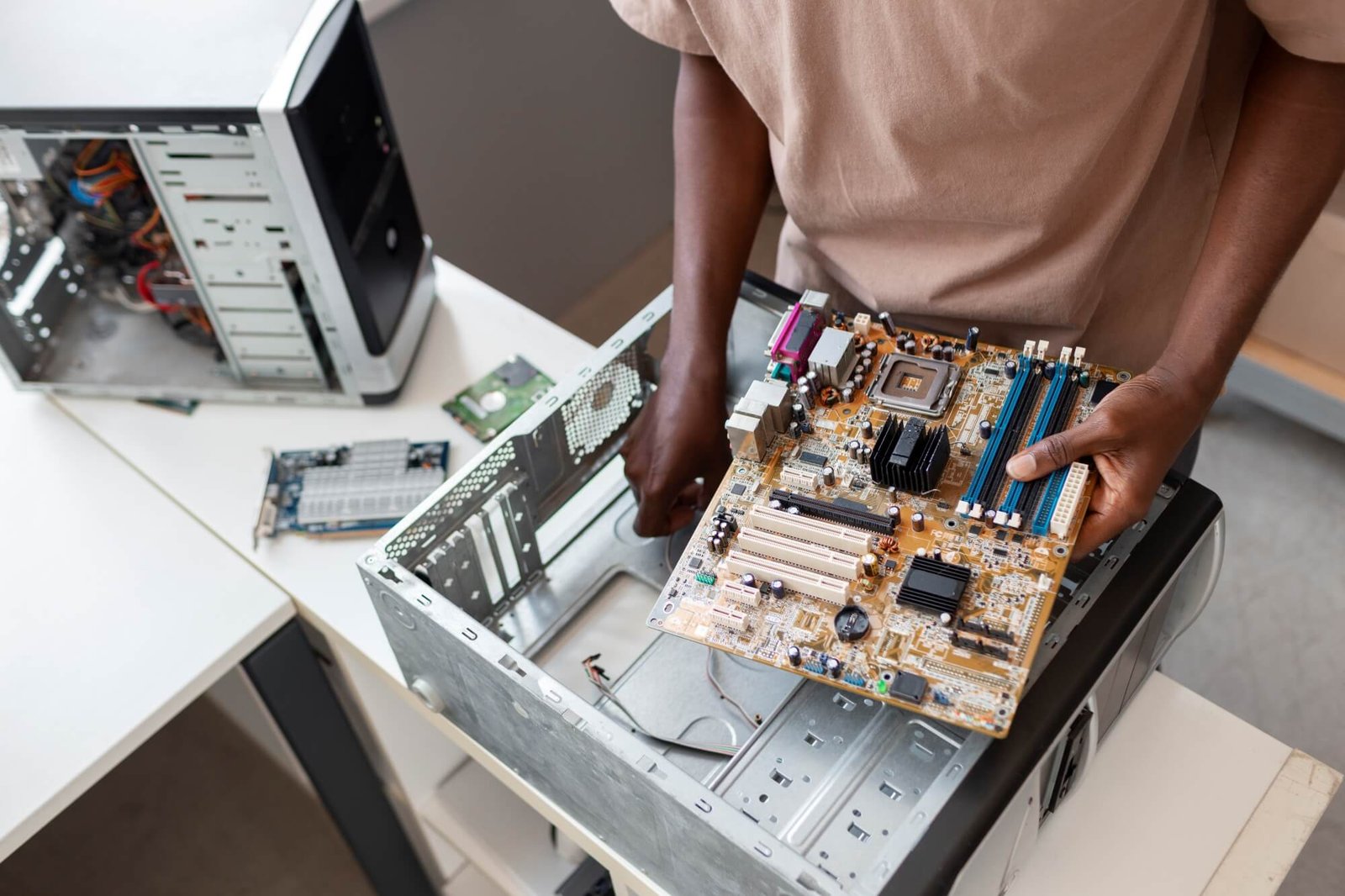
An office upgrade can leave behind more than empty packaging. Old computers, monitors, servers, and cables often remain in storage long after their replacements are installed.
Clearing that equipment requires more than deciding what to throw away. Your business needs to consider ownership, stored information, potential reuse, and appropriate handling.
Equipment recycling provides a route for electronics that have reached the end of their useful life. With some preparation, your organization can turn an overdue cleanout into an organized retirement project.
At Backspace ITAD, we help businesses manage retired technology through IT asset auditing, management, data sanitization, and electronics recycling.
What Is Electronic Equipment Recycling?
Electronic equipment recycling involves processing unwanted electronics to recover suitable materials for further use.
It differs from reusing a complete device. Reuse extends the working life of equipment, while recycling focuses on recovering materials when equipment or components are no longer suitable for continued use.
The Environmental Protection Agency identifies electronics donation and recycling as ways to conserve resources and natural materials. However, recovery outcomes depend on the equipment and processing involved; recycling does not mean that every part of every device will be recovered. US EPA
For businesses, the first step is deciding which equipment needs assessment and confirming an appropriate route for each item.
Consider Reuse Before Recycling
A device that no longer suits your organization may still have a useful role.
Before approving equipment for recycling, consider whether it could be:
- Reassigned to another department.
- Repaired for continued use.
- Assessed for refurbishment.
- Evaluated for another authorized reuse arrangement.
These options depend on condition, functionality, security requirements, and practical demand. Keeping equipment indefinitely because it “might be useful” is different from identifying a realistic reuse opportunity.
Where reuse is unsuitable, recycling can provide a next step. Data-handling requirements should be addressed before equipment is released for another use.
What Equipment Should You Include in Your Review?
Start by identifying the categories of electronics your business wants to retire. Your list might include:
- Desktop computers and workstations.
- Laptops and tablets.
- Servers and storage equipment.
- Monitors.
- Networking equipment.
- Printers and other office electronics.
- External drives and removable storage.
- Keyboards, mice, cables, and power adapters.
This is a planning list, not a guarantee of acceptance. Recycling providers differ in the equipment they handle, and some items require separate arrangements.
Share your list with Backspace ITAD before scheduling a handover so we can confirm acceptance, service availability, and any additional requirements.
How to Prepare Business Equipment for Recycling
1. Create an Equipment List
Record the types and approximate quantities of equipment involved. Where individual tracking is needed, include serial numbers or asset tags.
Note the location of the equipment and whether it is working, damaged, or untested. Photos can help explain the scope, particularly when equipment is stored across several areas.
An accurate list supports a clearer discussion about handling, pricing, and scheduling.
2. Confirm Ownership and Approval
Check that your organization owns the equipment or has permission to arrange its retirement.
Leased devices, financed equipment, and items belonging to clients or employees may require different instructions. Keep these separate until their status has been resolved.
Identify who within your organization can authorize the handover and the intended processing.
3. Address Stored Information
Include a data-handling review in your preparation. Ask your IT team to identify equipment that contains storage media and confirm what information must be retained.
Complete necessary backups before authorizing sanitization. Clearly flag devices subject to preservation requirements or awaiting internal approval.
Confirm whether data sanitization is included in the service scope. A recycling request or collection receipt should not be treated as proof that sanitization has been completed.
4. Identify Special-Handling Concerns
Tell the provider about damaged batteries, broken screens, leaking components, contamination, or other known concerns before equipment is moved.
Lithium-ion batteries and devices containing them should not go into ordinary trash or municipal recycling bins. These batteries can create fire hazards when handled through unsuitable waste streams. US EPA
For damaged or swollen batteries, obtain appropriate handling instructions before packing or transport. Do not attempt to dismantle unfamiliar equipment simply to prepare it for collection.
5. Confirm Handover Arrangements
Agree on the collection or delivery location, packing responsibilities, access requirements, and authorized contact.
Explain any practical obstacles, such as stairs, restricted loading areas, or equipment that remains installed in racks.
Do not ship or deliver equipment to a published business address without confirming that it is an approved receiving location.
6. Keep the Relevant Records
Retain the accepted quote, equipment list, handover record, and any processing documentation included in your agreement.
Compare the records with your internal inventory and resolve discrepancies before closing the project.
What Happens After Handover?
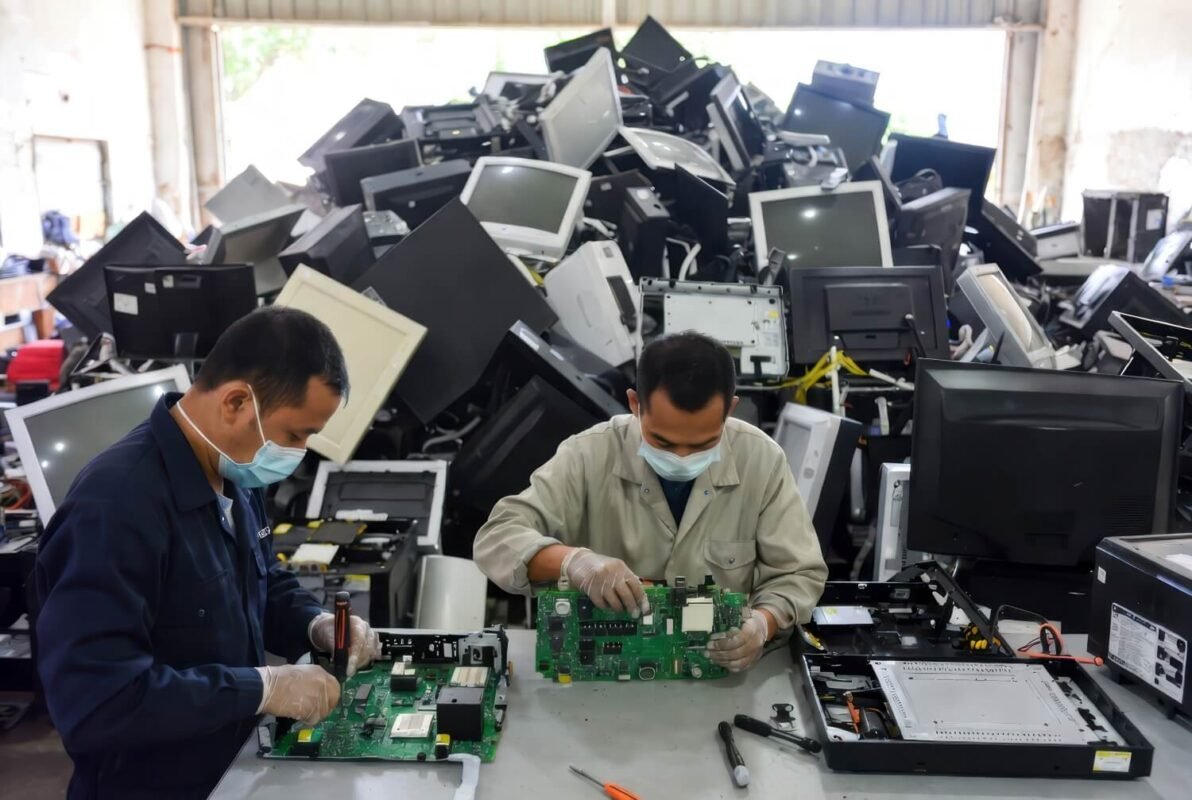
The route depends on the equipment and the agreed service scope. A project may involve an initial inventory check, further assessment, authorized data sanitization, separation of suitable components, and transfer for material processing.
Ask your provider to explain which steps apply to your equipment and whether other processing partners are involved.
Keep these outcomes distinct:
| Outcome | What It Means |
|---|---|
| Equipment received | The listed items have been accepted into custody |
| Assessment completed | Equipment has been reviewed within the agreed scope |
| Sanitization completed | The specified data-handling work has been completed and its outcome recorded |
| Reuse approved | Equipment is authorized for an identified reuse route |
| Recycling completed | The agreed recycling work has been confirmed through the available documentation |
Not every project includes every stage. Your agreement should establish what is being provided and how completion will be communicated.
What Affects the Cost of Equipment Recycling?
There is no single price that applies to every electronics cleanout.
A quote may depend on:
- Equipment types and quantities.
- Condition and completeness.
- Location and transport requirements.
- Packing, loading, or access needs.
- Data sanitization requirements.
- Special handling.
- The reporting requested.
Some equipment may have potential recovery value, while other items may involve processing costs. Do not assume that all electronics can be recycled free of charge or that retired devices will generate a payment.
Ask for a written quote that explains what is included and how changes will be approved.
Questions to Ask Before Choosing a Provider
A useful conversation goes beyond asking, “Do you take old computers?”
Discuss:
- Which items can you accept?
Provide an equipment list and confirm exclusions before handover. - What data-handling services are included?
Specify the devices and outcomes your organization requires. - How will equipment be tracked?
Agree on the level of inventory detail appropriate for the project. - What happens to equipment after collection?
Ask about assessment, reuse decisions, recycling routes, and processing partners. - What documentation will we receive?
Confirm whether records cover receipt, sanitization, recycling, or a combination. - What happens if the actual equipment differs from the list?
Establish how revised scope, fees, and instructions will be handled.
If a provider claims a certification, ask for current evidence and confirm that its scope is relevant to the work you need.
Common Recycling Mistakes to Avoid
Mixing Approved and Unapproved Equipment
Keep equipment selected for retirement separate from devices that are still needed or awaiting authorization.
Leaving Decisions Until Collection Day
Ownership questions, backup requirements, and special-handling concerns are easier to resolve before transport is arranged.
Assuming Every Item Follows the Same Route
A working laptop, an obsolete monitor, and a damaged battery may require different decisions and handling arrangements.
Confusing Collection With Completed Processing
Handover is one stage. Update your internal records to reflect the actual status of the agreed work.
Making Environmental Claims Without Records
If your business wants to report recycling results, agree on the evidence needed beforehand. Avoid publishing diversion percentages or recovery claims that the available records do not support.
Make Equipment Retirement Part of Your Routine
A regular review can prevent unused technology from accumulating.
Assign responsibility for checking stored equipment, maintaining an inventory, and arranging authorized next steps. Include equipment retirement in upgrade plans rather than leaving it until storage space becomes a problem.
A simple process—identify, approve, prepare, hand over, and confirm—can make future projects easier to manage.
How Backspace ITAD Can Help
Backspace ITAD helps businesses plan the next steps for unwanted electronics. Our services include IT asset auditing and management, data sanitization, and electronics recycling.
Whether you are replacing office computers, reviewing stored hardware, or preparing a larger equipment cleanout, we can discuss your inventory and establish an appropriate service scope.
Send us the equipment types, approximate quantities, location, and any known handling concerns to begin the conversation.
Give Your Retired Equipment a Responsible Next Step
Clear space with a plan for both the equipment and the information it may contain. Contact Backspace ITAD to discuss your electronics recycling requirements.
Phone: +1 307-624-5054
Email: info@backspaceitad.com